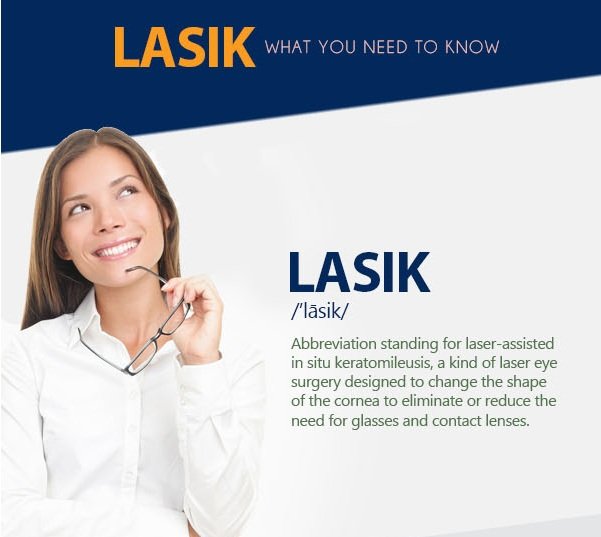
Over the last few years, breakthroughs in eye surgery have revolutionized the way we solve vision problems, making methods more effective and tolerable than ever before. Among please click for source , small incision lenticule extraction (SMILE) laser eye surgery has emerged as a revolutionary option for individuals struggling with myopia. As a no-cut laser vision treatment technique, SMILE offers a minimally invasive approach that not only enhances visual acuity but also offers quick recovery times, making it an appealing choice for numerous patients.
For those thinking about vision correction options, understanding what SMILE eye surgery entails, how it relates to traditional methods like LASIK and PRK, and the likely side effects is important. This article seeks to provide a thorough overview of SMILE surgery, exploring its advantages, costs, and determining candidacy for the treatment. With a clearer vision of what SMILE has to offer, you can form informed decisions about your eye care.
What Is Small Incision Lenticule Extraction Surgery?
SMILE eye surgery designed to correct nearsightedness, also known as nearsightedness. This cutting-edge technique offers a modern alternative to traditional methods like Laser-Assisted in Situ Keratomileusis and Photorefractive Keratectomy. During the procedure, a focused beam of light is used to create a small lens-shaped piece of tissue within the cornea, which is then extracted through a tiny incision that requires no stitches.
One of the key benefits of this procedure is its non-invasive nature, making it a preferred option for many patients seeking vision correction. The procedure is known for its accuracy and reduced risk of issues associated with flap creation found in LASIK surgeries. Patients often appreciate that the less invasive approach results in less disruption to the surface of the cornea, which can lead to quicker recovery times and reduced pain.
Candidates for SMILE eye surgery typically include those with moderate to severe nearsightedness. Comprehensive eye tests are crucial to evaluate the suitability of this procedure for each individual. As with any medical procedure, it's vital for potential patients to consult their options with a licensed eye care professional to ensure they receive personalized care tailored to their vision needs.
Advantages and Risks of SMILE
The SMILE procedure offers several positives for individuals seeking vision correction. One of the primary benefits is its minimally invasive nature. Unlike traditional LASIK surgery, which requires creating a corneal flap, the SMILE procedure consists of a small incision that causes reduced disturbance of the corneal surface. This produces reduced risk of complications and facilitates faster recovery. Many patients report instant improvements in vision, often achieving 20/25 vision or better soon after the procedure.
Another notable benefit is the reduced potential for dry eye syndrome, a common side effect linked to LASIK and various forms of laser eye surgery. Since the SMILE technique involves fewer nerve endings being involved, patients often feel feeling more comfortable post-surgery. Additionally, SMILE is suitable for a broader range of nearsightedness, therefore presenting it as a favorable option for those who may not be suitable candidates for alternative laser vision correction methods.
However, like any medical procedure, SMILE does come with risks. Some individuals may experience side effects such as glare, halos, or difficulty seeing at night. While these symptoms generally resolve over time, they can be concerning for some patients. Moreover, as with every surgical procedure, there is a chance of complications, including incomplete correction or regression of vision. It is important for prospective patients to talk about these risks with their eye care professional to determine if they are fit candidates for SMILE surgery.
Comparing Small Incision Lenticule Extraction with LASIK and Photorefractive Keratectomy
As evaluating sight improvement choices, many people frequently analyze SMILE to Laser-Assisted in Situ Keratomileusis as well as PRK, two well-known procedures. SMILE, also known as Small Incision Lenticule Extraction, is a bladeless procedure centered on creating a small opening to extract a thin layer, correcting nearsightedness effectively with minimal disturbance with the surrounding ocular tissue. Conversely, Laser-Assisted in Situ Keratomileusis involves creating a bigger corneal flap, resulting in more discomforts during recovery, whereas Photorefractive Keratectomy requires the removal of the epithelium of the cornea, necessitating a extended healing time because of the need for surface healing.
A significant difference between Small Incision Lenticule Extraction to LASIK is in their techniques and surgical methods strategies. Small Incision Lenticule Extraction is often considered more minimally invasive, as it uses a one tiny cut rather than the bigger incision made in Laser-Assisted in Situ Keratomileusis. https://giuseppina-clare.technetbloggers.de/small-laceration-lenticule-extraction-eye-surgery-an-ingenious-strategy-for-enhanced-view reduced invasiveness results in fewer complications along with a quicker recovery for most patients when compared to Laser-Assisted in Situ Keratomileusis. Additionally, SMILE provides a more stable cornea after the surgery, which can be advantageous for athletics or high-impact activities.
PRK, however, while effective, has a longer recovery time and may involve more pain throughout the recovery process. Small Incision Lenticule Extraction offers faster visual recovery along with lowered risk of experiencing dry eyes, a frequent side effect associated with LASIK. Regarding overall satisfaction, numerous patients report a liking for SMILE due to its quick healing and reduced dependence on eye drops during recovery, making it a attractive choice for those looking for a contemporary yet efficient alternative to both LASIK as well as Photorefractive Keratectomy.
Expenses and Healing of Small Incision Lenticule Extraction Eye Surgery
The price of SMILE eye surgery can differ depending on several factors such as the surgeon's expertise, the clinic's location, and the specific technologies used. On typically, patients can anticipate to pay ranging from two thousand to three thousand USD per each eye. While this may seem high, many find that the long-term advantages and savings from not needing glasses or contacts make the investment worthwhile. It's also worth noting that many clinics offer payment plan options to make the procedure more affordable.
Recovery from SMILE eye surgery is typically quick and uncomplicated. Most patients experience better vision almost immediately, often returning to daily activities within a day or two days. The minimally invasive nature of the procedure means that there is less stress to the eye compared to traditional LASIK, which can lead to a faster healing time. However, some patients may experience mild discomfort, dry eyes, or visual fluctuations, which typically resolve within a few weeks.
Could I be suitable for SMILE? This is a common question for those thinking about the procedure. Candidates are usually patients with mild to moderate nearsightedness and stable vision who are at least twenty-two years old. A thorough consultation with an expert eye care specialist is essential to determine if SMILE is the best choice for you. They will assess your eye health, prescription stability, and personal vision goals to guide you through the decision-making process.